About Forged Ball Valve
Specification
| Size | 15 mm(1/2) -50 mm(2) |
| Type | 3 Piece, Full / Reduce Bore, Antistatic Device, Metal To Metal Seating, Nipple Extension. |
| Operation | Lever |
| Design Standard | BS EN ISO 17292 (BS 5351) |
| Pressure Rating | 800#, 1500#, 2500# |
| Testing Standard | BS EN 12266-1 (BS 6755, PART 1) |
| End Connection | Butt-weld, Weld - Flanged, Socket Weld, Screwed BSP or NPT |
| Material Of Construction | Standard - A105, LF2, F304, F304L, F316, F316L, F22 On Request - F321, F347, Alloy-20, Super Duplex, Nickel Alloy, Monel, Hastelloy, Inconel, SS 904L etc. |
| Trim | 13% CR. SS 410, SS 304, SS 316 |
| Seat Materials | PTFE CFT, GFT (RPTFE), PEEK, Devlon etc. |
| Customization (On Request) | Extended Spindle for Cryogenic Service
Jacketed Valves
Locking Arrangements
Stellited/ Hard Faces
Nace : MR-01-75
Fire safe as per API-607 |
High-Quality Construction for Enhanced DurabilityManufactured from forged ASTM A105, F304, or F316 steel, these ball valves deliver superior mechanical strength and resistance to high-pressure or extreme temperature conditions. The use of robust materials ensures long-lasting service and minimal maintenance in the most challenging industrial environments.
Versatile Design for Multiple ApplicationsWith a wide range of seat options (PTFE, RPTFE, or metal) and compatibility with various end connections-flanged, screwed, or socket weld-these valves are designed to suit complex piping layouts across industries, including chemical, oil & gas, and water treatment.
Certified Safety and Reliable PerformanceCompliance with API 6D and BS 5351 design standards, combined with precision testing to API 598, guarantees stringent safety, effective shutoff, and fire-safe features. These certifications ensure trusted operation for critical flow control in industrial applications.
FAQ's of Forged Ball Valve:
Q: How does a forged steel ball valve function in industrial piping systems?
A: Forged steel ball valves control the flow of fluids by rotating a precision-engineered ball with a hole through its center. When the valve is open, the hole aligns with the flow; turning the lever or operating mechanism closes the flow, providing quick and leak-tight shutoff essential for industrial applications.
Q: What are the key benefits of using ASTM A105, F304, or F316 body material in ball valves?
A: Utilizing ASTM A105, F304, or F316 forged steel offers excellent mechanical strength, superior resistance to corrosion, and reliability under both high-pressure and high-temperature conditions. These materials enhance operational longevity and are suitable for demanding environments found in oil, gas, and chemical industries.
Q: When is it necessary to choose PTFE, RPTFE, or metal seats for ball valves?
A: PTFE and RPTFE seats are recommended for applications requiring chemical resistance and low friction at moderate temperatures, while metal seats are suitable for high-temperature or abrasive services where extra durability is needed. The seat choice should match the process conditions to optimize valve performance.
Q: Where can these forged steel ball valves be installed?
A: These valves are designed for installation in industrial piping systems requiring reliable on/off control-such as refineries, petrochemical plants, power generation, and water treatment facilities. They can be integrated into pipelines using flanged, screwed, or socket weld connections for added application flexibility.
Q: What is the process for operating these valves-manual, gear, or actuated?
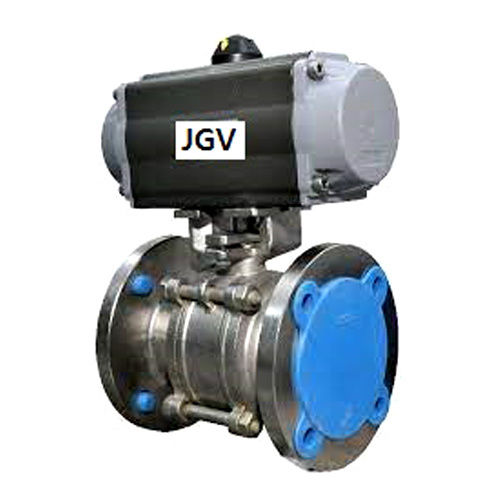
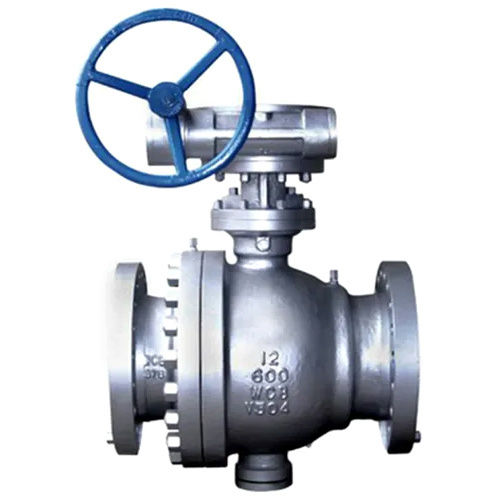
A: Operation options include manual lever handles for straightforward control, gear operators for reduced effort in larger or higher pressure valves, and actuators for automated or remote operation. The choice depends on system requirements and operator convenience.
Q: What advantages does the fire-safe design provide with these valves?
A: The fire-safe design ensures continued sealing and operational integrity during exposure to high temperatures or fire, helping to prevent leaks of hazardous media and enhancing safety in critical and regulated installations.

 Send Inquiry





 Send Inquiry

 Send Inquiry
 English
 Spanish
 French
 German
 Italian
 Chinese (Simplified)
 Japanese
 Korean
 Arabic
 Portuguese