About Industrial Ball Valve
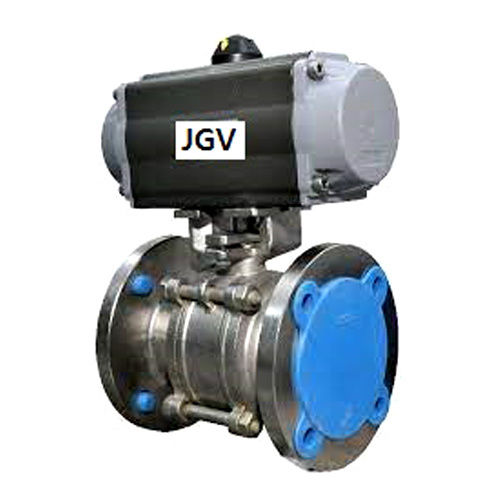
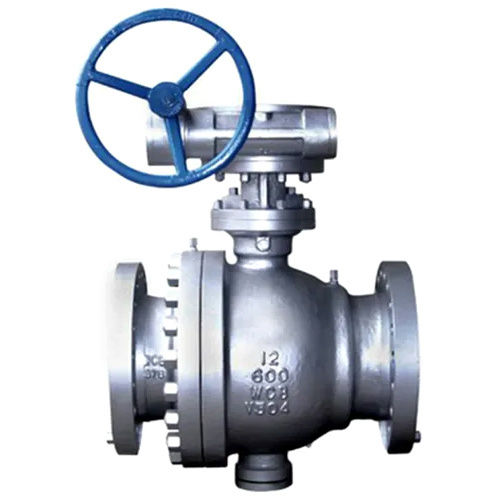
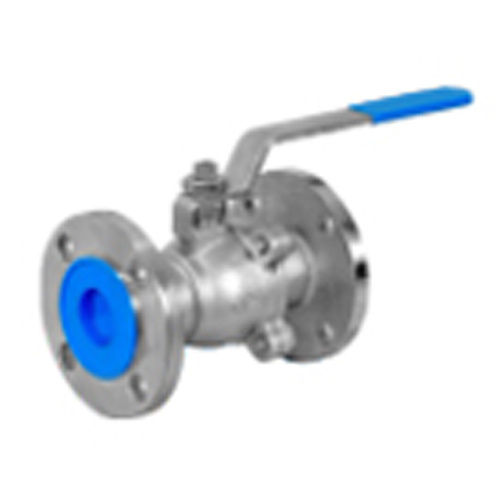
Industrial Ball Valve uses a rotating ball with a hole (bore) in it to control the flow of fluids or gases through a pipeline. This valve is typically made from durable materials such as stainless steel, carbon steel, brass, or other alloys, depending on the specific application and the media being handled. Moreover, this valve is known for their quick and easy operation. They typically require only a quarter-turn (90 degrees) of the stem to fully open or close the valve. Apart from that, this valve is designed to withstand high-pressure and high-temperature environments.
Other Details:
| Condition | New |
| Quality | High |
| Type | Ball Valve |
| Usage/Application | Control the flow of fluids. |
High-Quality Stainless Steel ConstructionManufactured with SS304/SS316 stainless steel, this ball valve offers outstanding durability and corrosion resistance, ensuring long service life even in harsh or corrosive industrial environments. The robust build meets international quality standards for reliable pipeline operations.
Reliable Performance and Safety StandardsAdhering to globally recognized standards such as API 6D, ISO 5208 - Rate A, and BS EN 12266-1, this ball valve provides superior leakage control and safety. The fire safe design and PTFE seat further enhance its suitability for critical applications involving water, oil, or gas.
Wide Process Compatibility and ApplicationWith its full bore, flanged end connection, and compatibility with ANSI B16.5, this valve is seamlessly integrated into industrial pipeline systems. Its temperature range and pressure capacity accommodate various process requirements, from standard water flow to demanding oil and gas pipelines.
FAQ's of Industrial Ball Valve:
Q: How does the quarter-turn operation work on this industrial ball valve?
A: The quarter-turn operation allows the valve to be fully opened or closed with a 90-degree turn of the handle, enabling quick and efficient flow control in industrial pipelines.
Q: What benefits does the PTFE seat offer for this valve?
A: A PTFE seat ensures excellent chemical resistance, low friction during operation, and reduced maintenance needs, making the valve suitable for a wide range of aggressive media.
Q: When should I choose SS304 vs SS316 grade for the body material?
A: Choose SS304 for general corrosion resistance and SS316 for enhanced resistance to chlorides and harsh chemicals, especially in highly corrosive environments or where sanitary requirements are strict.
Q: Where can this industrial ball valve be installed?
A: This valve is intended for use in industrial pipelines requiring reliable shut-off, such as water, oil, and gas systems, and is suitable for applications across manufacturing plants, refineries, and distribution networks.
Q: What is the testing process for this valve before dispatch?
A: Each valve undergoes rigorous quality testing according to BS EN 12266-1, including pressure and leakage tests, to ensure compliance with international standards and optimal performance upon installation.
Q: How does the fire safe design benefit industrial operations?
A: The fire safe construction ensures the valve maintains its sealing capability under fire conditions, protecting the pipeline and minimizing safety risks during emergencies.
Q: What is the advantage of the full bore and flanged end connection?
A: The full bore design provides unobstructed flow, reducing pressure drop, while flanged ends allow secure, leak-proof installation and straightforward maintenance in industrial systems.

 Send Inquiry





 Send Inquiry

 Send Inquiry
 English
 Spanish
 French
 German
 Italian
 Chinese (Simplified)
 Japanese
 Korean
 Arabic
 Portuguese